Hair problems come from inside the strand, not just the surface. This guide explains how hair structure, porosity, and pH reveal why box dye and store products fail to create lasting results.
Read More
Hair problems come from inside the strand, not just the surface. This guide explains how hair structure, porosity, and pH reveal why box dye and store products fail to create lasting results.
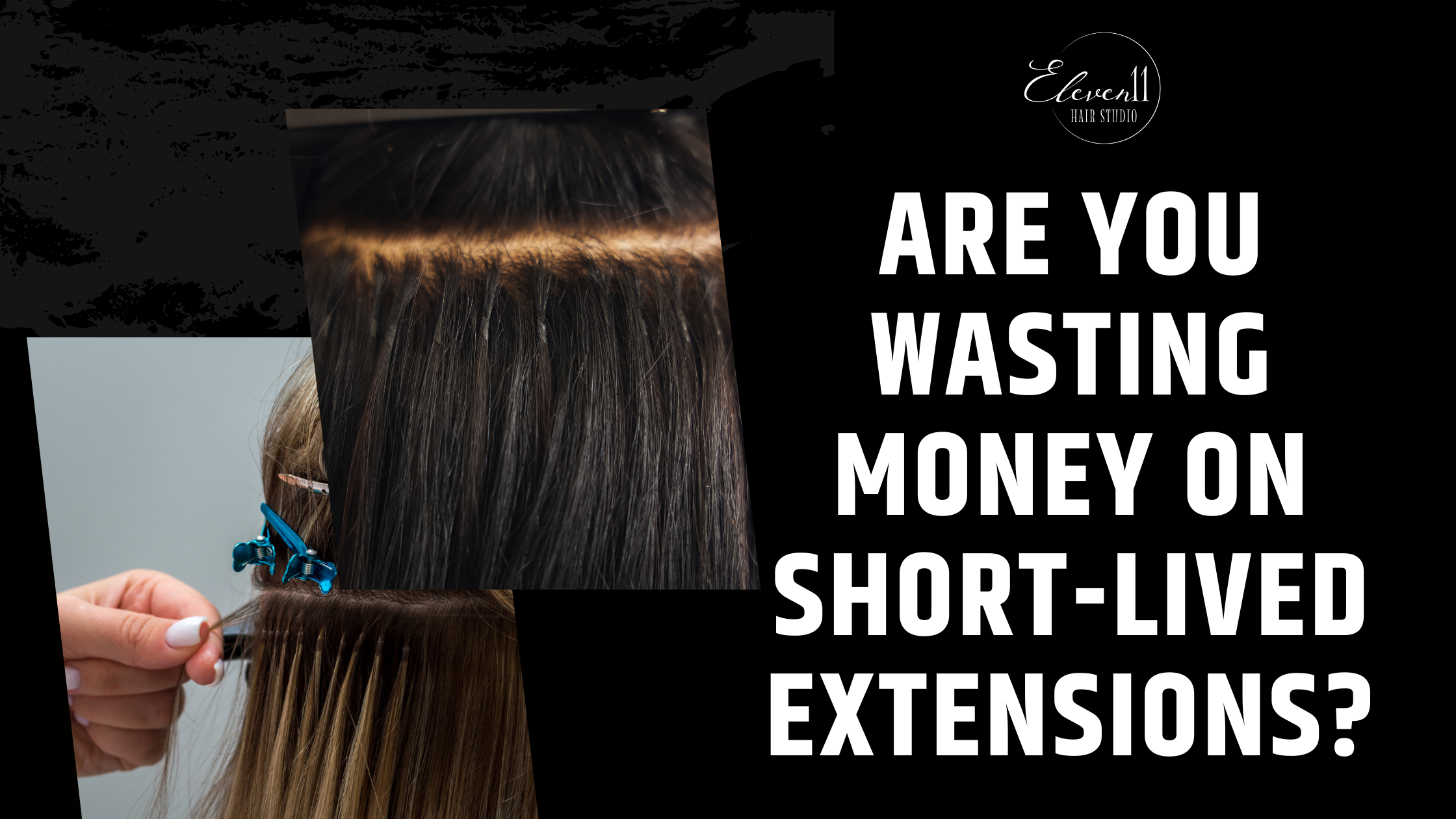
Read MoreExtensions fail from neglect, not from quality. The right routine keeps them beautiful for over a year.
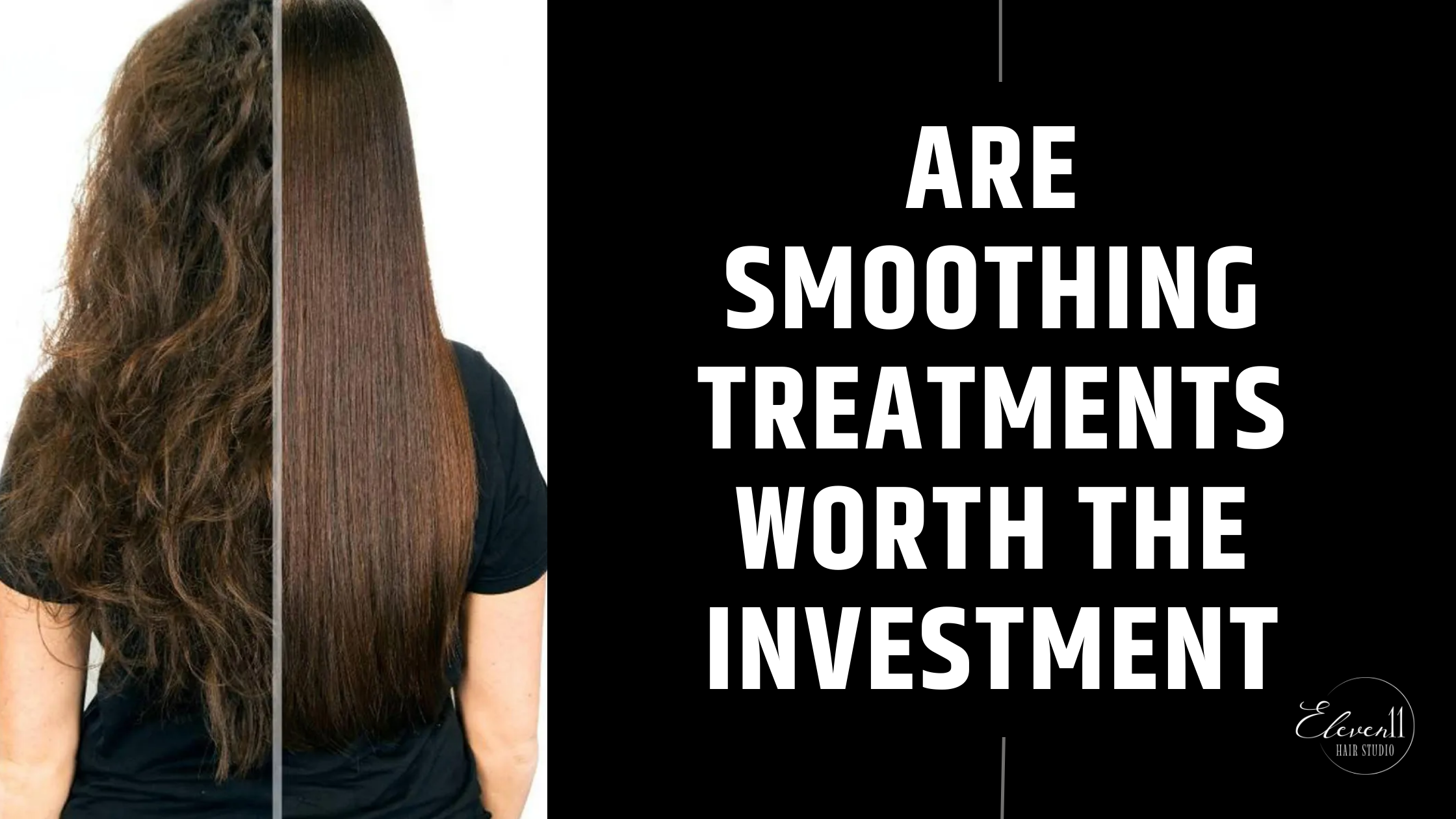
Read MoreNot all smoothing treatments are the same. The right choice controls frizz, protects hair health, and saves time every morning.
Read MoreA weekly blowout replaces daily heat styling. It lasts longer, looks better, and reduces damage over time.
Read MoreGood hair days begin at the scalp. When the scalp barrier is healthy, hair grows stronger, looks fuller, and holds style longer.
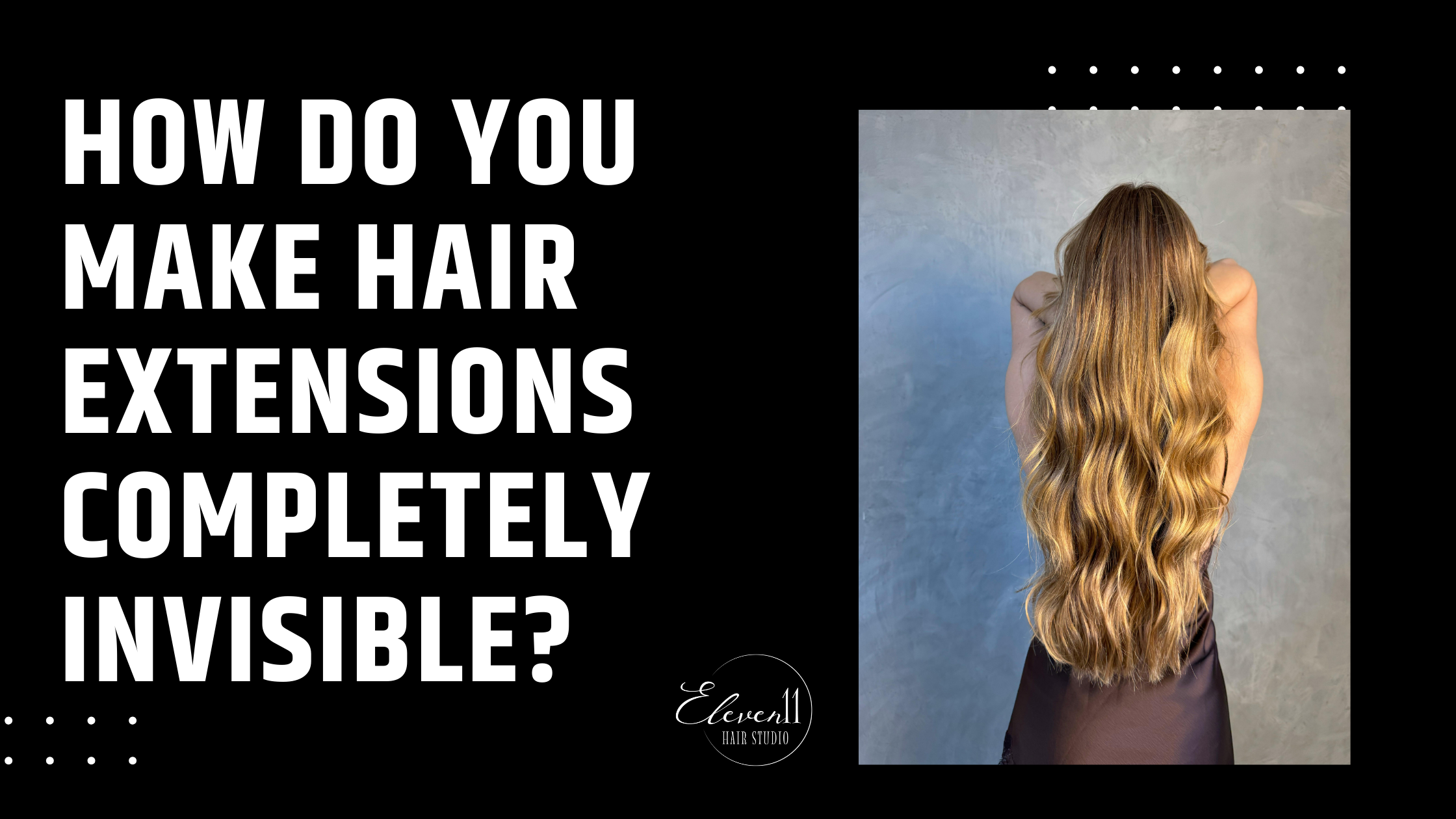
Read MoreClip-ins slip and show. Invisible sewn-in extensions blend naturally, feel comfortable, and hold up to travel, work, and active routines.
Read MoreChoosing the right hair length isn’t about trends. It’s about matching your face shape, hair texture, and daily routine so your cut works with your life instead of against it. Learn how professional assessment helps identify lengths that balance your features, support your hair’s density, and fit your styling time and maintenance needs.
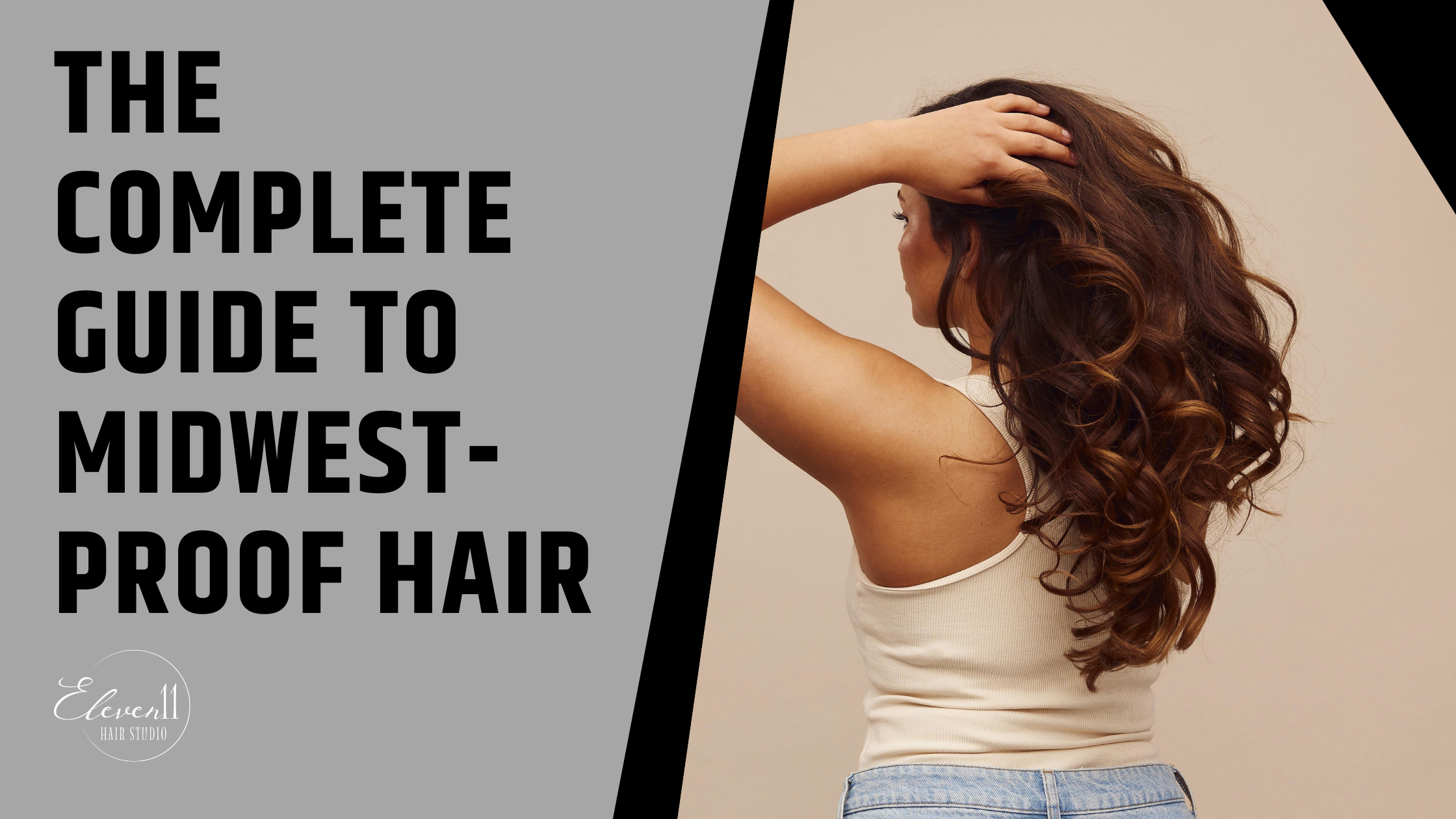
Read MoreFrizz in Midwest humidity happens when porous hair absorbs moisture from the air and swells unevenly. Smoothing treatments like Magic Sleek can reduce frizz for months, but only when hair porosity, elasticity, and curl pattern are properly assessed. Learn who benefits from smoothing treatments, who should avoid them, and how to manage frizz safely and effectively.
Read MoreMost people focus on how much length to cut, but the true shape of your haircut is defined by the perimeter and bangs. From blunt edges that create fullness to textured finishes that create movement, these details determine how your hair swings, frames your face, and grows out. Learn how face shape, hair density, and maintenance needs influence whether blunt or textured cuts work best for you.
Read MoreHair problems in the Northwest Chicago suburbs aren’t one-size-fits-all. From Barrington’s well water mineral buildup to Schaumburg’s commuter pollution and Des Plaines humidity zones, your location directly impacts your hair’s health and color longevity. Discover how suburb-specific water sources, microclimates, and commuting patterns shape the way your hair behaves and why personalized care based on where you live makes all the difference.
Read MoreGoing blonde safely requires lifting hair gradually over multiple sessions, typically 3-4 appointments spaced 6-8 weeks apart for dark to platinum transformations. Bond builders like Olaplex or K18 mixed into lightener prevent breakage. Your candidacy depends on hair elasticity, current damage level, and porosity assessment.
Read MoreExtension damage happens when too much weight attaches to too few natural hair strands, causing traction alopecia. Tape-ins use adhesive requiring solvent removal and slip in humidity, lasting 6-8 weeks. Fusion creates 100+ pull points with heat bonds that damage during removal. Hand-tied weft methods distribute weight across approximately 30 linked attachment points spanning entire rows, eliminating concentrated tension while lasting 7-10 weeks between adjustments.
Read MoreMost extension failures happen because stylists ignore head shape and place rows in straight lines on a curved skull, creating buckling, shelf appearance, and visible tracks. Our Invisible Bead Method approach customizes bead placement following your occipital bone curve and parietal ridge, distributing weight across approximately 30 linked attachment points instead of 100+ individual points, preventing traction damage while allowing high ponytails without exposed beads.
Read MoreMidwest hair struggles come from three environmental factors: extreme dew point swings causing frizz in summer and dryness in winter, hard water mineral buildup coating hair and repelling products, and seasonal light cycle changes triggering increased shedding in January-February.
Read MoreMajor color transformations require multiple sessions spaced 4-6 weeks apart because hair can only be lifted 2-3 levels safely per session without severe breakage. Dark to blonde typically takes 3-4 sessions over 4-6 months, lifting through red, orange, yellow stages with bond-building treatments between appointments. Blonde to brunette requires filling the hair with warm pigments first before applying brown, or the result turns muddy green.
Read MoreMost orange blonde disasters happen because bleach was rinsed too early, leaving hair stuck at level 7-8 in the "orange zone" instead of lifting through to pale yellow. The fix requires lifting past orange safely through multiple sessions while rebuilding bonds, not covering with darker color or using purple shampoo. Professional correction takes 3-15 hours over multiple appointments depending on damage severity.
Read More